What’s new in US visa process and how to prepare
New US visa rules explained: Key changes and preparation tips
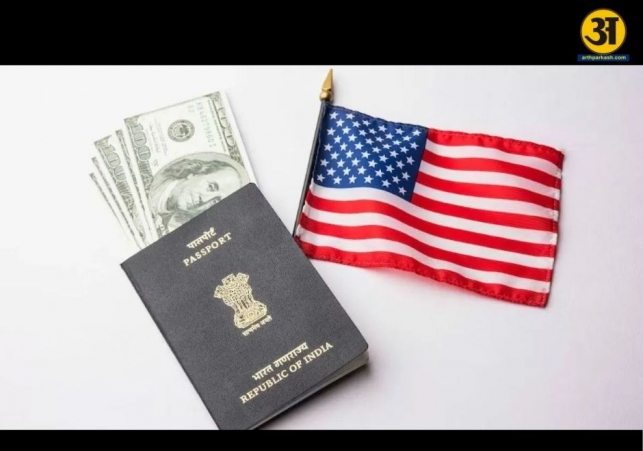
The United States has once again tightened its visa system, and this time, Indian students, workers, journalists, and tourists are likely to feel the biggest impact. Starting September 2, the US has rolled out a set of stricter rules, higher costs, and new compliance checks. While officials say these measures will improve monitoring and protect immigration integrity, many see them as another barrier for genuine applicants.
As opinion builds on whether these changes are necessary or excessive, one thing is clear—Indians planning to apply for a US visa must now prepare for a longer, costlier, and more complicated process.
What the new rules really mean
The first major change is the limitation on visa durations. Under the Trump administration’s proposed rules, student visas (F visas) and exchange visitor visas (J visas) will be capped at four years. Media visas (I visas) will be restricted to 240 days, and for Chinese nationals, only 90 days. Though extensions may be possible, this move signals tighter government control over who stays in the country and for how long.
This is not the first time such a proposal has come up. Back in 2020, a similar plan faced backlash from education groups and was later withdrawn by the Biden administration in 2021. But with Trump back in power, the policy has been revived, reflecting his government’s tough stance on immigration. The Department of Homeland Security argues that it will help keep a closer eye on foreign nationals. But critics believe it will disrupt education, cultural exchange, and media freedom.
For Indian students who often choose the US as their first choice for higher studies, this means more uncertainty. Imagine spending years planning your education abroad, only to be told that your visa may not cover the entire duration of your course. The constant need to seek extensions could discourage many from choosing America.
Another big shift is in passport collection rules. Until recently, many Indian applicants relied on third-party services to collect their passports after visa stamping. From August 2025, that option no longer exists. Applicants must now collect passports themselves from the US Embassy or consulate. For minors, a parent or guardian can do it, but only with original consent letters signed by both parents. Copies or scans will not be accepted.
While the embassy has introduced a home or office delivery option for Rs 1,200 per applicant, it still adds cost and effort. The bigger question is: why remove a system that was convenient for thousands of busy applicants?
Rising costs and reduced flexibility
Perhaps the most controversial measure is the introduction of a USD 250 “Visa Integrity Fee.” Starting October 2025, this extra charge will apply to all non-immigrant visa applicants from countries outside the US visa waiver programme, including India.
For Indian applicants, this will push costs significantly higher. A student or work visa will now cost around USD 473, while tourist and business visas (B1/B2) will cost about USD 425. That is in addition to the existing MRV application fee, reciprocity fee, and anti-fraud fee. Although the Department of Homeland Security says applicants who follow visa rules completely may get reimbursed, the process is unclear. How many will actually get their money back remains a question.
Another hurdle is the stricter interview waiver rule. Until now, many Indian applicants renewing their visas could skip the interview if they met certain conditions. From September 2, only limited categories, like diplomats, will get that privilege. Even those applying for renewals will now mostly need to appear in person before a consular officer. And consulates can still demand an interview even if an applicant technically qualifies for a waiver.
This will make the process longer, especially in India where US visa appointment waiting times are already notoriously high. For students and professionals working under tight deadlines, this could mean delayed plans, missed opportunities, or even cancellations.
ALSO READ: Trump’s remarks spark controversy among Indian-origin Brahmins in Boston
ALSO READ: Comparing losses in gaming and investing sparks debate on regulation
An opinion on the bigger picture
While the official explanation is about protecting immigration integrity and preventing overstays, the bigger picture suggests a political agenda. For years, the US has used immigration as a tool of domestic politics, and the Trump administration has been especially aggressive in restricting legal pathways. These rules, on paper, may appear to target fraud or misuse, but in practice, they affect genuine travellers the most.
For India, which sends one of the largest numbers of students, workers, and visitors to the US, these changes strike at the heart of people-to-people ties. They raise questions: Is the US still the land of opportunity it once claimed to be? Or is it now turning into a fortress where even legal, well-documented applicants face hurdles at every step?
Applicants are not just paying higher fees but also facing emotional stress. Each new rule makes the process more uncertain. The removal of simple conveniences like third-party passport collection shows how the system is becoming less applicant-friendly.
For now, Indians planning to study, work, or travel to the US must brace themselves. Careful planning, early applications, and complete paperwork are more important than ever. But beyond individual preparation, it is time for India to raise this issue at the diplomatic level. Stronger voices are needed to ensure that mobility between the two countries is not strangled by excessive rules.
At the end of the day, immigration should not just be about control—it should also be about trust and opportunity. Right now, the US seems to be forgetting that balance.
Related News